

Clinical study · Evidence in progress
Rigorousclinical researchin healthy adults.
A 12-month clinical phase within a four-year T-Booster R&D programme, involving 260 adults across two randomised, double-blind studies with placebo and dose comparisons.

01 · Programme architecture
One programme.Two clinical studies.
A 12-month controlled clinical phase within the wider four-year T-Booster R&D programme involved 260 healthy adults at BSMMU, Dhaka.
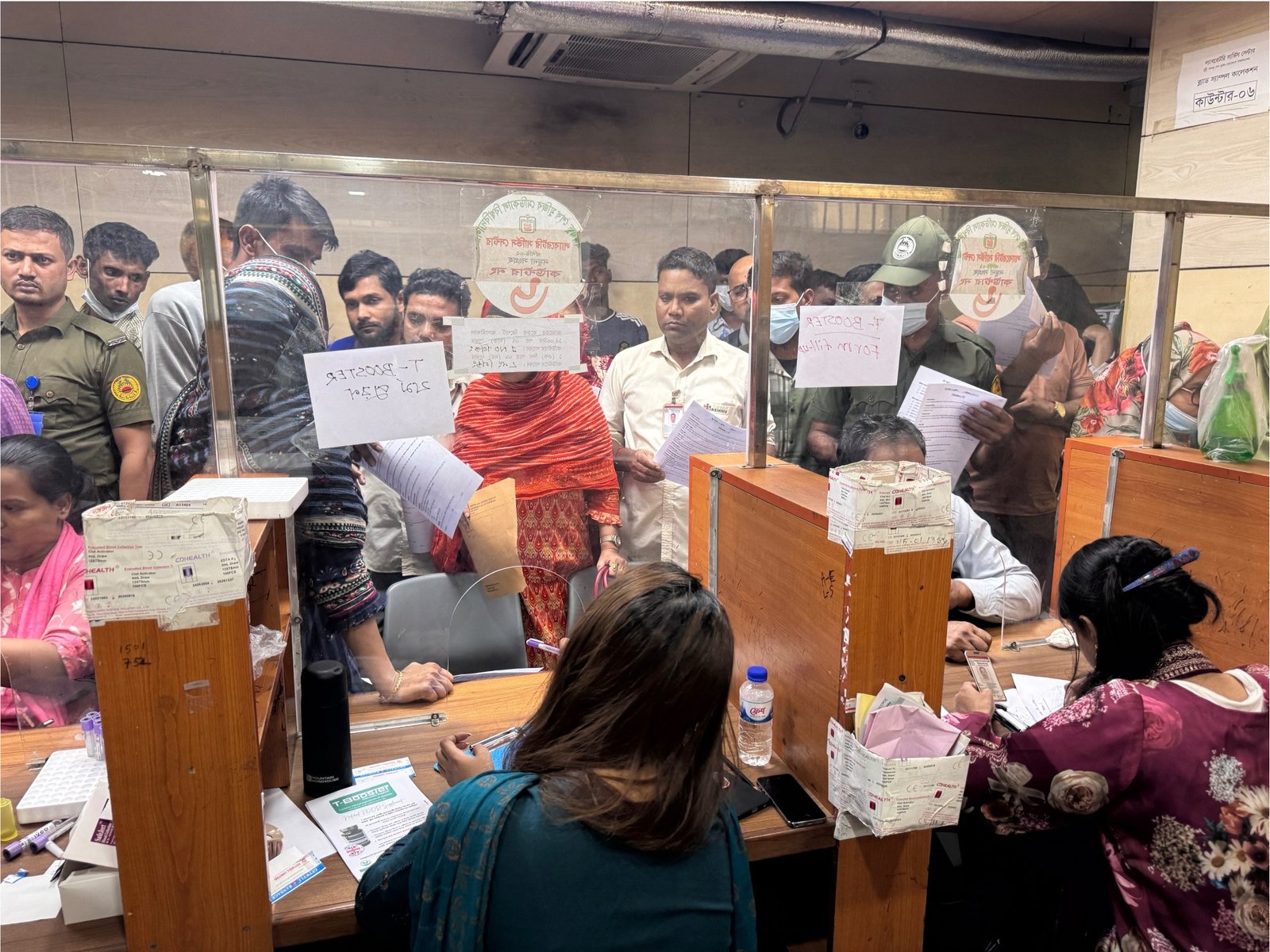
Study design
Randomised and double-blind.
Comparators
Placebo and dose comparisons.
Assessment points
Baseline and four-month assessments.
Study site
BSMMU, Dhaka.
02 · Participant pathway
From screening to scientific interpretation.
The same sequence was used across the programme so baseline and four-month assessments could be compared consistently.
-
01
Screening and consent
Eligibility review and written informed consent before enrolment.
-
02
Randomisation
Blinded allocation to T-Booster or placebo.
-
03
Baseline assessment
Blood sample and lifestyle questionnaire.
-
04
Four-month intervention
Daily assigned capsules with blinded follow-up.
-
05
End assessment
Repeat blood sample and questionnaire.
-
06
Scientific analysis
Group comparison, statistics and reporting.
6 mL
blood collected at baseline and at the end of the study
03 · Evidence framework
Three evidence streams, interpreted together.
The programme combined biological measurement with participant-reported experience. Each stream answers a different question and adds context to the others.
Thymic output
TREC DNA
An indirect marker associated with newly generated T-cell output.
Blood context
CBC and lymphocytes
Wider blood measures provide biological context for the analysis.
Participant experience
Lifestyle questionnaire
Repeated questionnaires captured changes participants noticed in everyday wellbeing.
04 · Preliminary age analysis
TREC DNA increasedin every age group.
The largest observed increase occurred among participants aged 48–57, while placebo remained close to baseline across every age group.
TREC DNA · copies/µL blood
Baseline, placebo and T-Booster after four months
Baseline
Placebo
T-Booster
Age 18–27+9.32%
Age 28–37+14.55%
Age 38–47+25.91%
Age 48–57+34.28%
Age 58++19.79%
05 · Participant-reported outcomes
Improvement ratesby concern.
The percentages below refer only to participants who reported that specific concern at baseline. They show the proportion of that subgroup who reported improvement at the four-month assessment.
Base: participants reporting each concern at baseline
Sleep80%
Urinary76%
Energy75%
Mood75%
Sexual75%
Pain73%
Skin68%
Stress48%
These are participant-reported outcomes from baseline-defined subgroups and provide context; they should not be interpreted as proof of clinical effect.
06 · The programme on film
Two perspectives on the programme.
One film explains the research programme in public; the other records participant perspectives from inside the study.
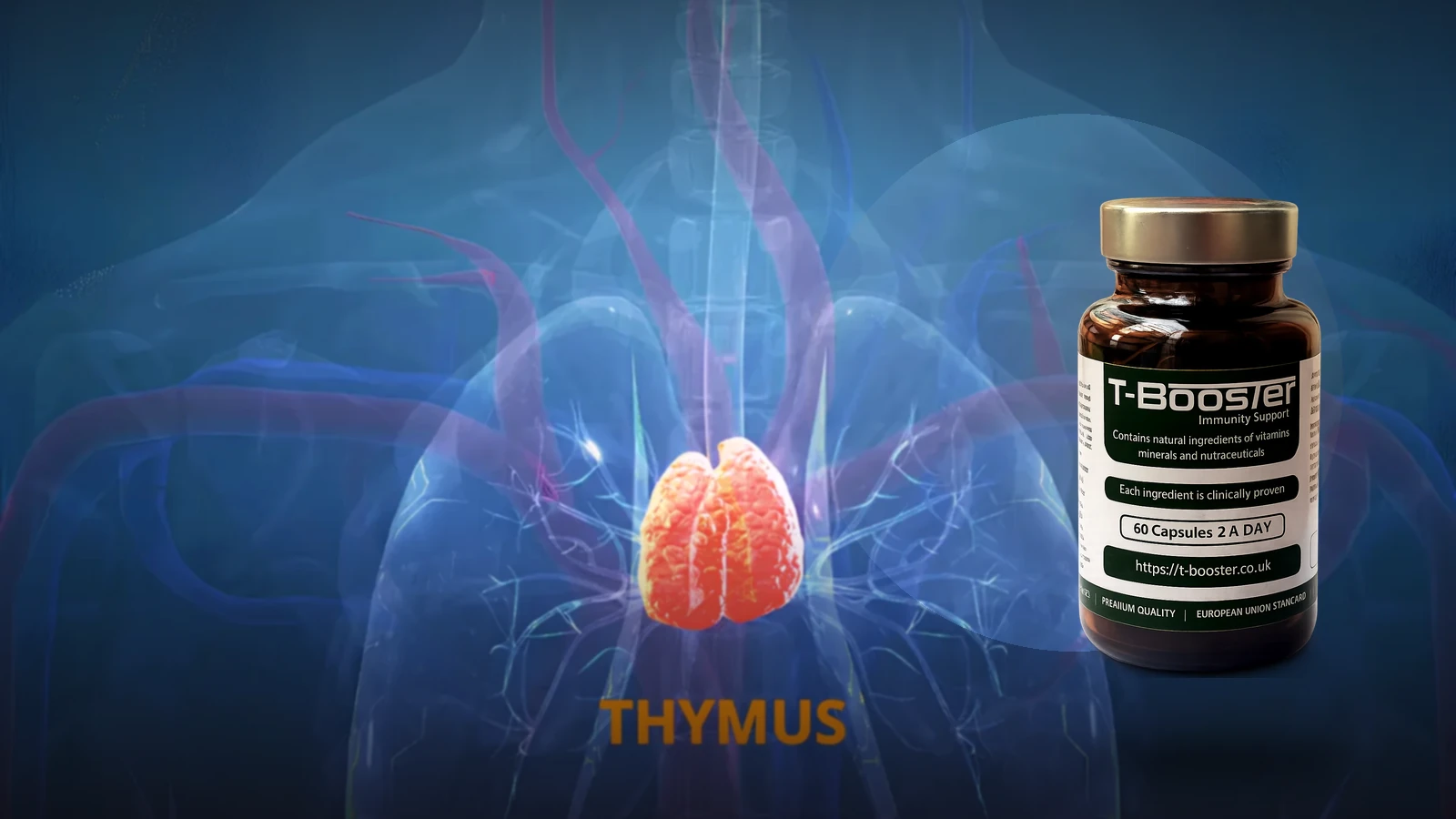 Film 01
Programme overview · YouTube
The research story in public view.
Watch programme film ↗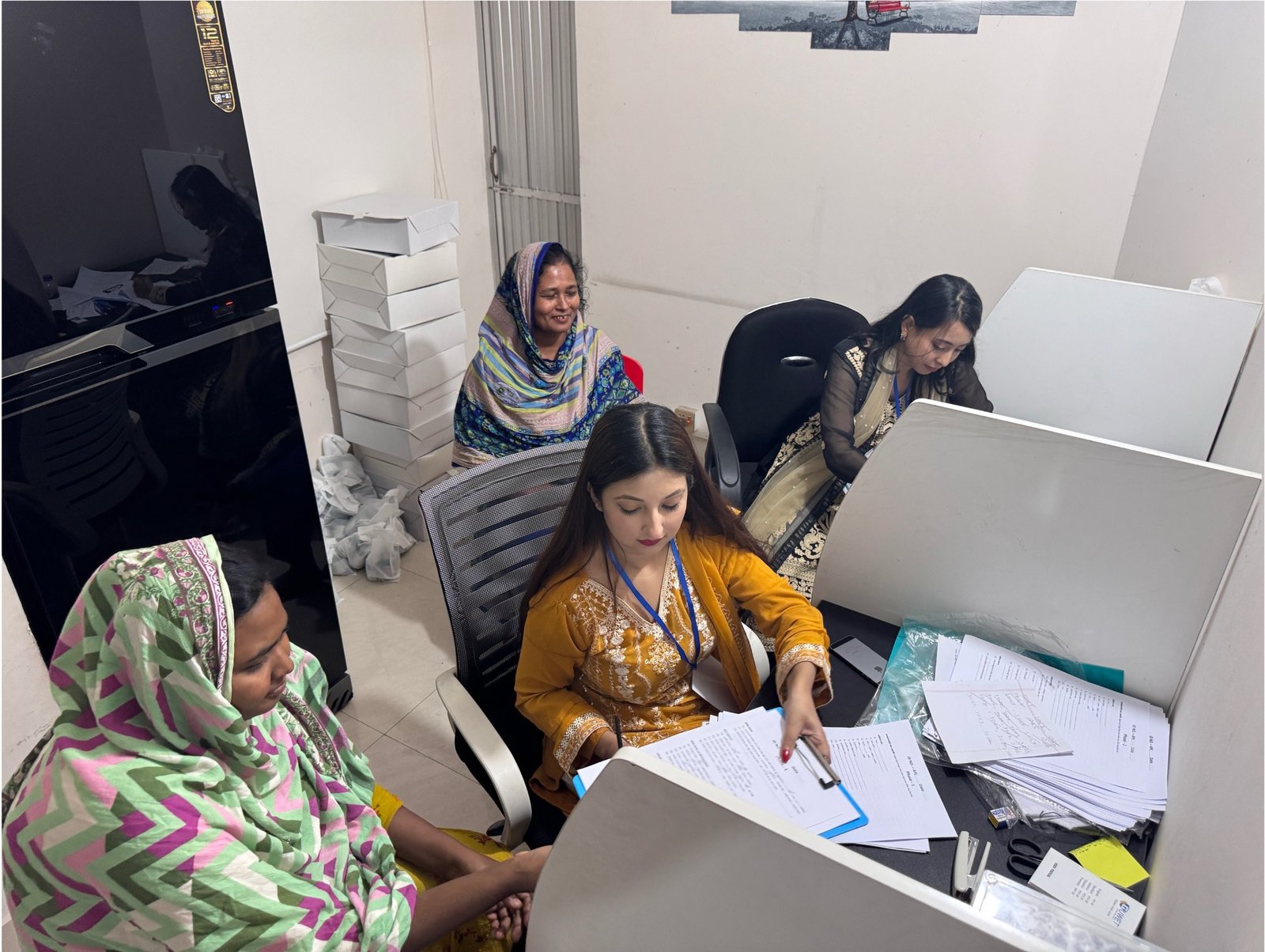 Film 02
Participant perspective · YouTube
Voices from inside the programme.
Watch volunteer film ↗The films document the programme and participant experience; they are not evidence of clinical effect.